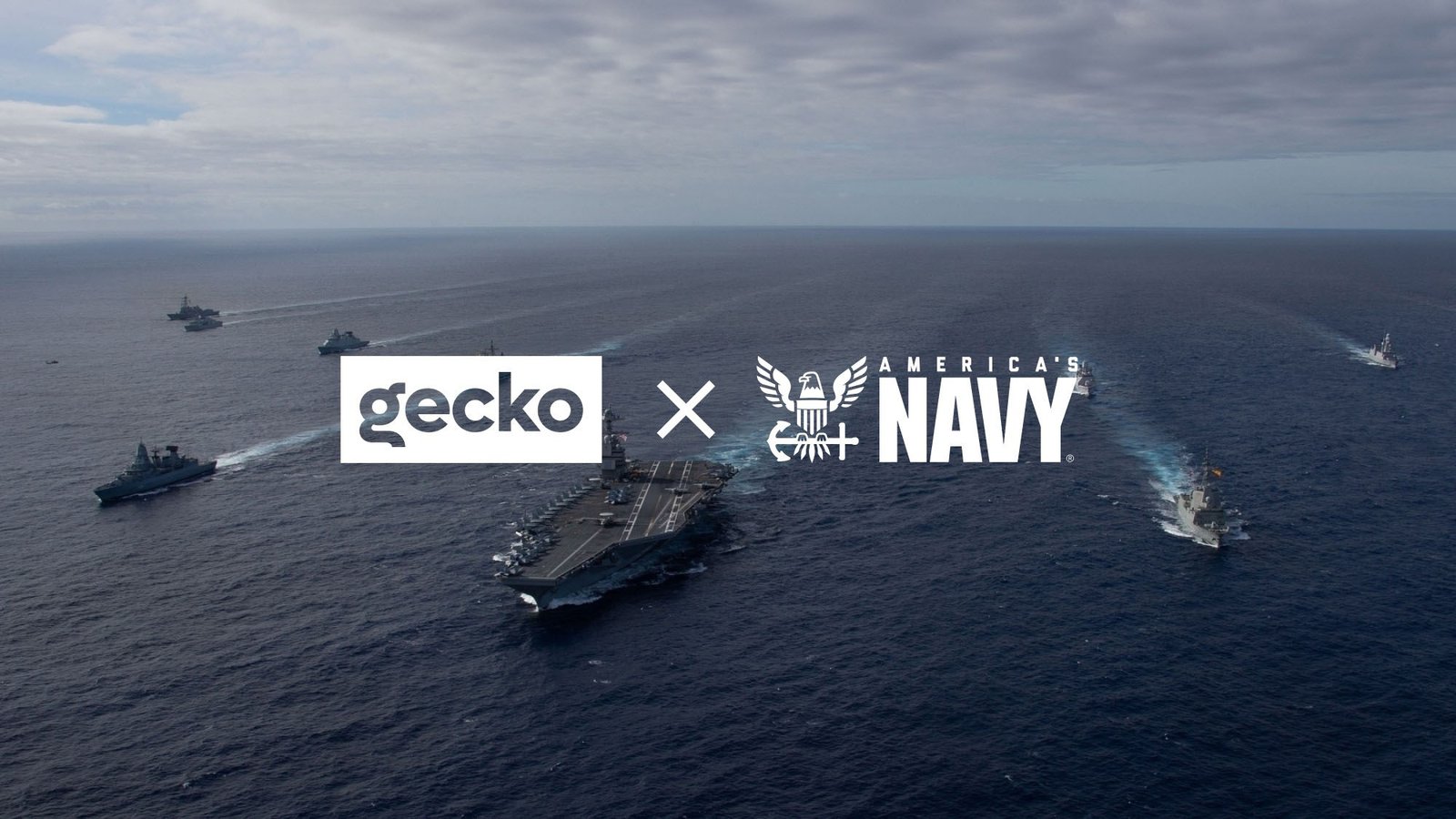
SANTA CLARA, Calif. — NVIDIA launched its Open Agent Safety Platform on 28 September, an open-source runtime plus an out-of-band hardware watchdog designed to stop AI agents doing things nobody authorised. More than 100 organisations are working with the platform at launch. Among the first to run it on a physical machine is Gecko Robotics, which has deployed the platform’s OpenShell component on Komodo, the inspection robot it operates for the U.S. Navy.
Why it matters: the guardrail sits below the model
The platform has two halves. OpenShell is open-source software that creates secure runtime boundaries on NVIDIA’s Vera CPUs, traces every action an agent takes and enforces policy at the system call level; NVIDIA says it is extensible to Arm and Intel platforms. Sentry is a separate watchdog running on BlueField-4 data-processing units, outside the agent’s reach, which checks behaviour against policy and can quarantine a misbehaving agent in milliseconds. A third tool, Policy Proover, deterministically validates combined file and network permissions to catch data-exfiltration paths before deployment.
The architectural claim is the interesting part for robotics: enforcement happens in hardware and the operating system, not in the model’s instructions. On Komodo, Gecko says OpenShell sits as an independent enforcement layer between the AI agent and the hardware controls — motion, data collection and payload operations — so an agent cannot command the robot outside developer-defined rules even if the model itself is wrong or compromised. Figure and Skild AI are also named among the robotics partners.
Komodo is not a demo unit. Gecko won a five-year Navy IDIQ in March 2026 with a $71 million ceiling and an initial award of up to $54 million, covering asset-health assessment across the U.S. Pacific Fleet starting with 18 ships — destroyers, amphibious warships and littoral combat ships. Its wall-climbing robots, drones and fixed sensors collect structural data on hulls, decks and welds, which Gecko says identifies needed repairs up to 50 times faster than manual inspection. Putting an agent anywhere near that hardware is exactly the case where a software-only promise of good behaviour is not enough.
“As Jensen says, safety is an engineering problem not a legal one. The idea that losing control of AI is inevitable is a dangerous excuse for inaction.”
Jake Loosararian, co-founder and CEO, Gecko Robotics
NVIDIA is distributing OpenShell and the Sentry reference design through its developer resources and GitHub. Neither company has said how much of the Navy fleet currently runs the enforcement layer, or when it becomes standard across Gecko’s deployed base.
Leave a Reply